Best Seasons for Veneer Repairs
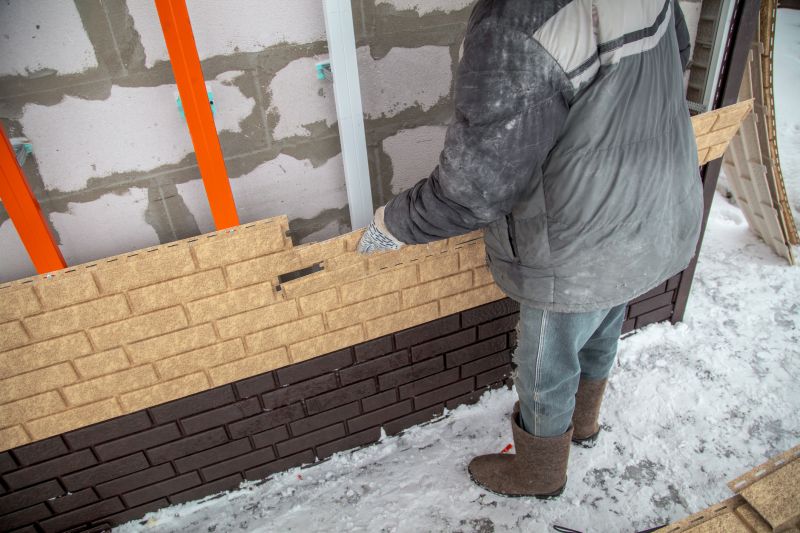
Spring and early summer are ideal for wood veneer service due to stable humidity levels.
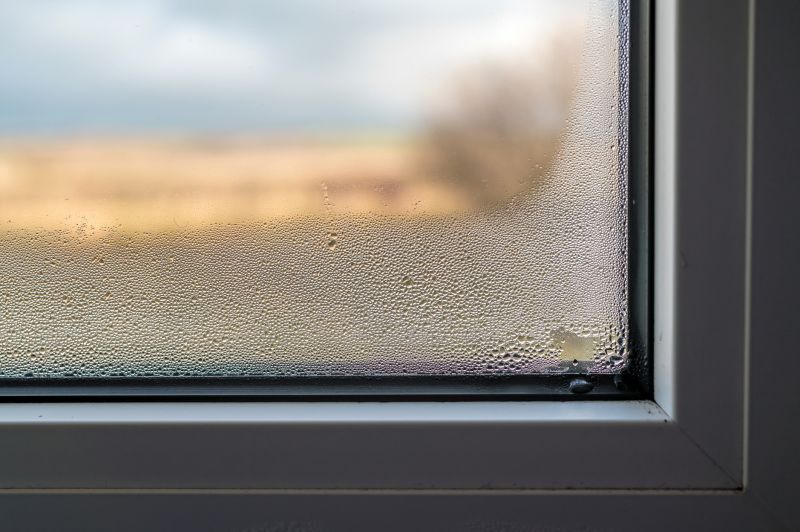
Dry and mild weather minimizes the risk of veneer warping or damage.
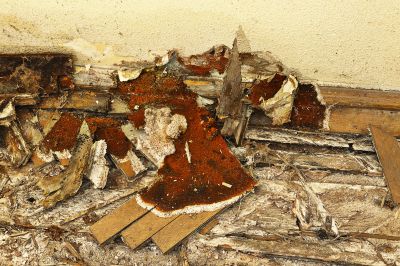
Late fall and winter may involve high humidity, which can affect veneer adhesion and stability.
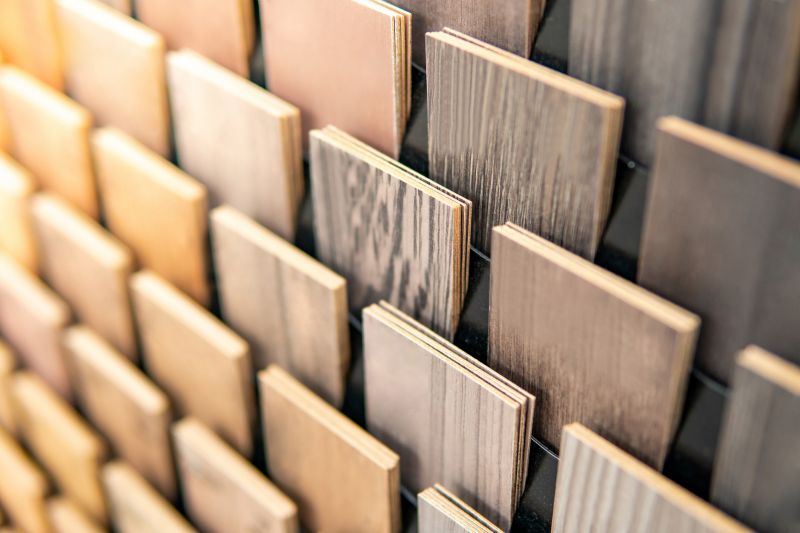
Ways to make Wood Veneer Service work in tight or awkward layouts.
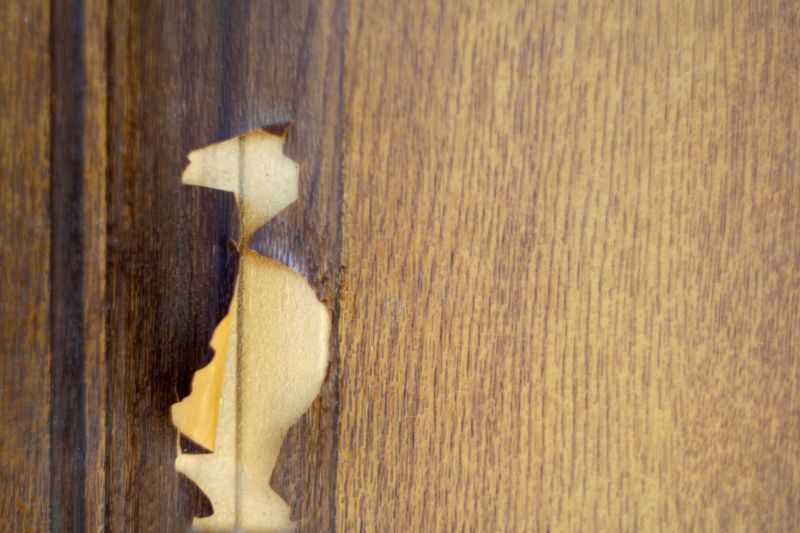
Popular materials for Wood Veneer Service and why they hold up over time.
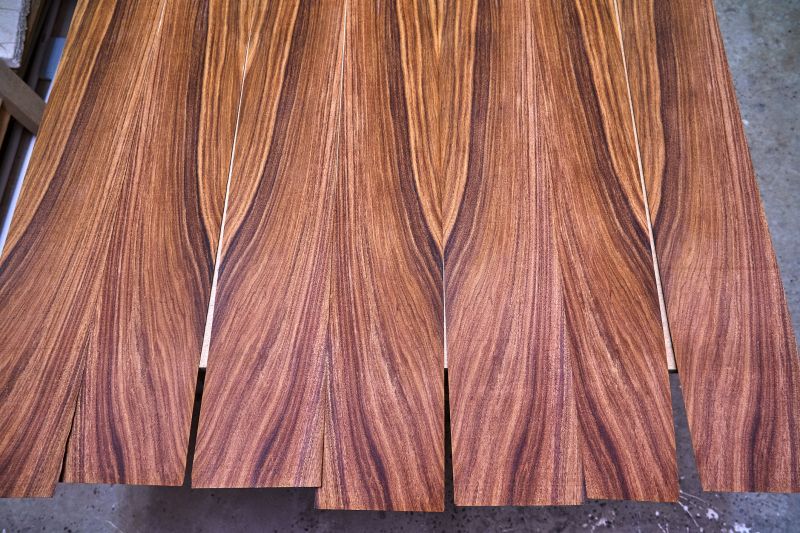
Simple add-ons that improve Wood Veneer Service without blowing the budget.
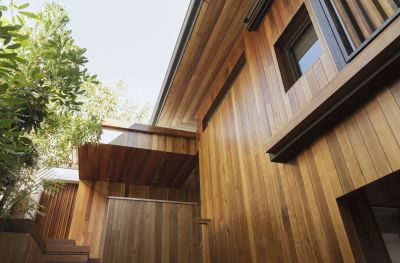
High-end options that actually feel worth it for Wood Veneer Service.
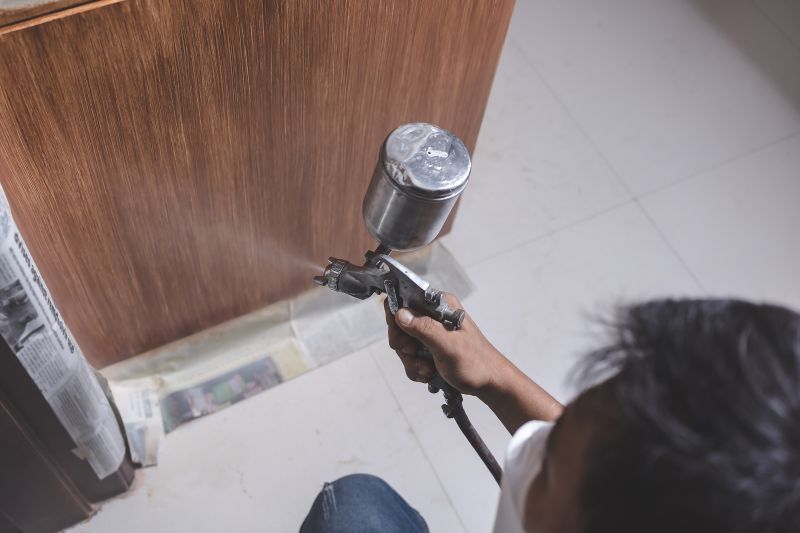
Finishes and colors that play nicely with Wood Veneer Service.
Statistics indicate that veneer repairs and refinishing are most successful when conducted in seasons with consistent weather patterns. For example, studies show a 25% reduction in veneer warping incidents when work is scheduled during spring or early summer. Additionally, avoiding periods of extreme humidity can decrease rework rates by up to 15%, resulting in cost savings and improved outcomes.
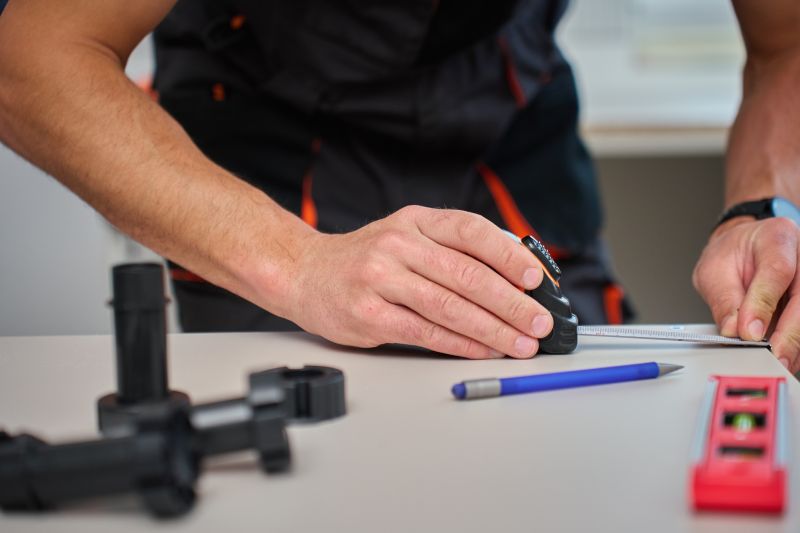
Little measurements that prevent headaches on Wood Veneer Service day.

A 60-second routine that keeps Wood Veneer Service looking new.
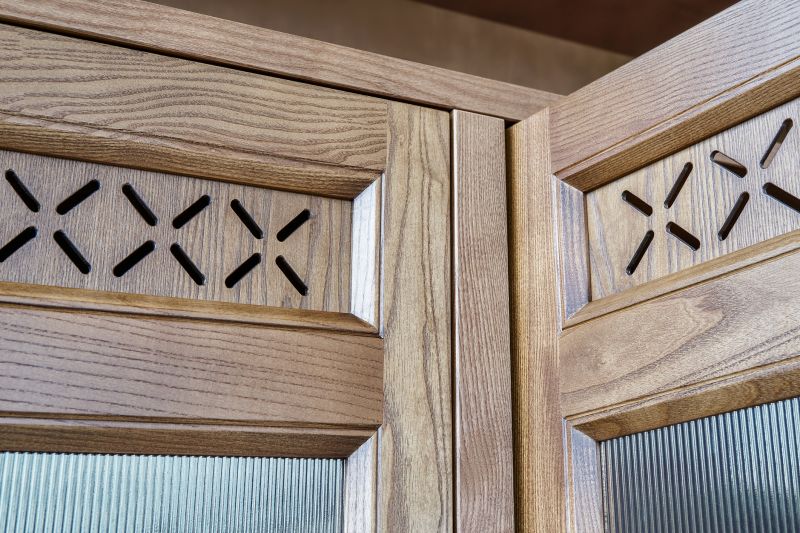
A frequent mistake in Wood Veneer Service and how to dodge it.
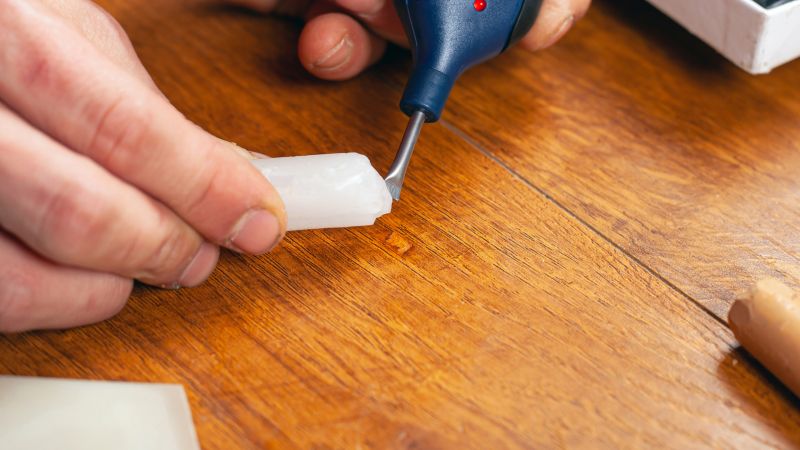
Small tweaks to make Wood Veneer Service safer and easier to use.
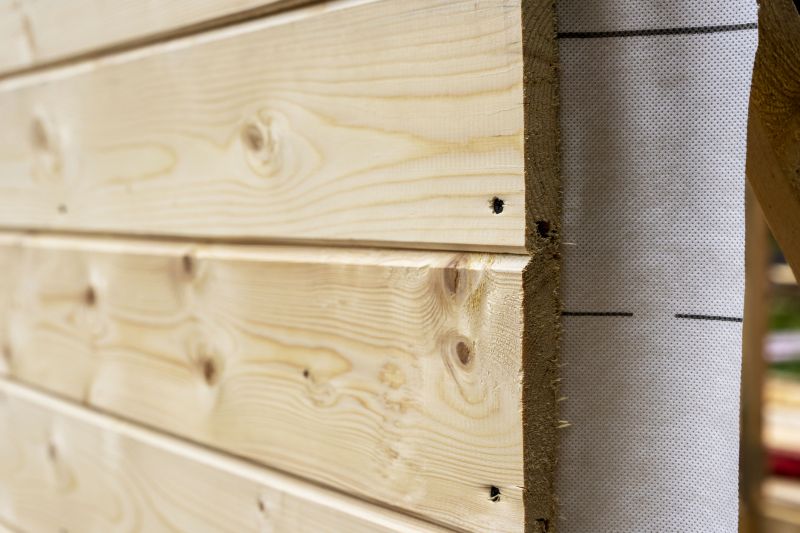
Lower-waste or water-saving choices for Wood Veneer Service.
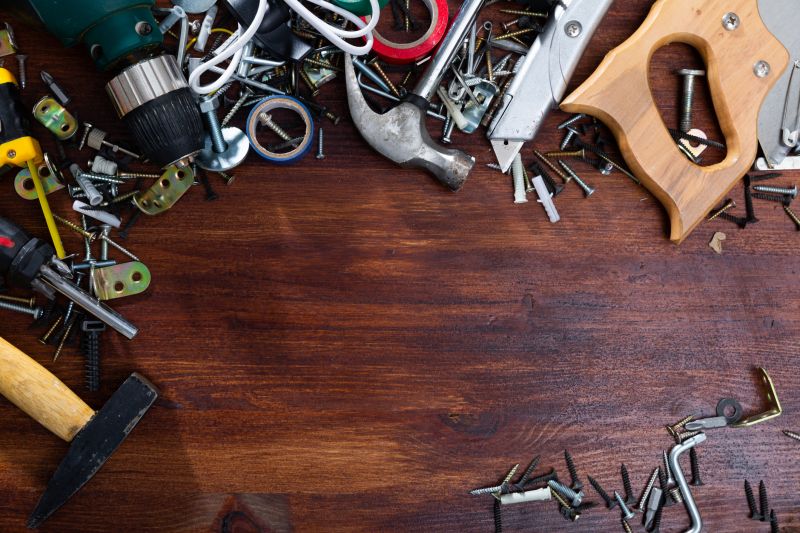
The short, realistic tool list for quality Wood Veneer Service.
| Season/Period | Best For |
|---|---|
| Spring | Ideal for application and repairs due to stable humidity |
| Early Summer | Optimal for refinishing projects |
| Late Fall/Winter | Less suitable due to high humidity and temperature fluctuations |
| Dry Months | Recommended for detailed veneer work |
| Humid Months | Avoid scheduling veneer services |
Rough timing from prep to clean-up for Wood Veneer Service.
Quick checks and paperwork to keep after Wood Veneer Service.
Examples that show the impact a good Wood Veneer Service can make.