Get Commercial Siding Installation
Commercial siding installation services help property owners upgrade, repair, or replace building exteriors to improve durability, appearance, and protection against weather damage.
If you’re considering commercial siding installation, you’re in the right place to explore your options. Property owners often look into siding updates to enhance curb appeal, improve energy efficiency, or address damage from weather or age. Comparing local contractors can help ensure that the project meets your specific needs and aligns with the style and durability required for your property.
As you plan your project, understanding the variety of siding materials and installation approaches available in your area can be beneficial. Local service providers are equipped to handle a range of building styles and property types, offering solutions that suit both functional and aesthetic goals. Continuing to review your options can help you make informed decisions about your commercial siding needs.
- Commercial building facades - when a business needs to update or replace aging exterior siding to improve curb appeal.
- Retail storefronts - during renovations or new construction projects requiring durable and attractive siding solutions.
- Industrial facilities - when large-scale siding installation is needed to protect structures and meet safety standards.
- Office complexes - in cases of siding damage, weatherproofing, or aesthetic upgrades for multiple commercial units.
- Hospitality venues - when upgrading or maintaining exterior siding to enhance the property's appearance and durability.
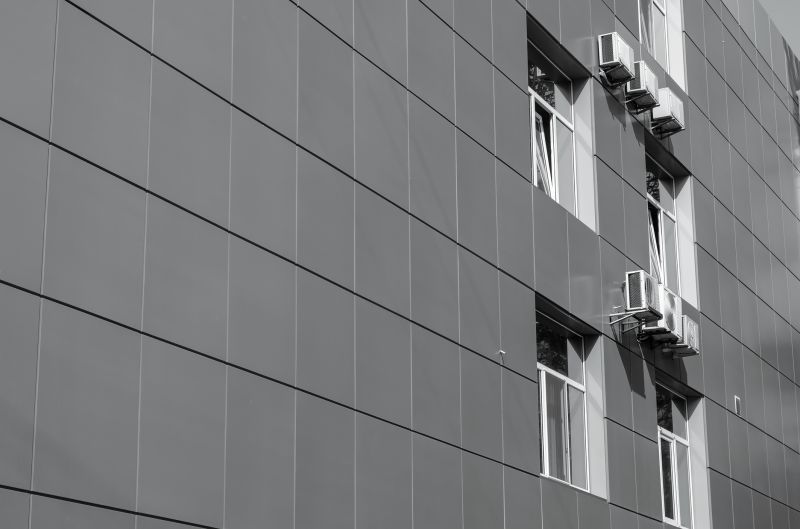
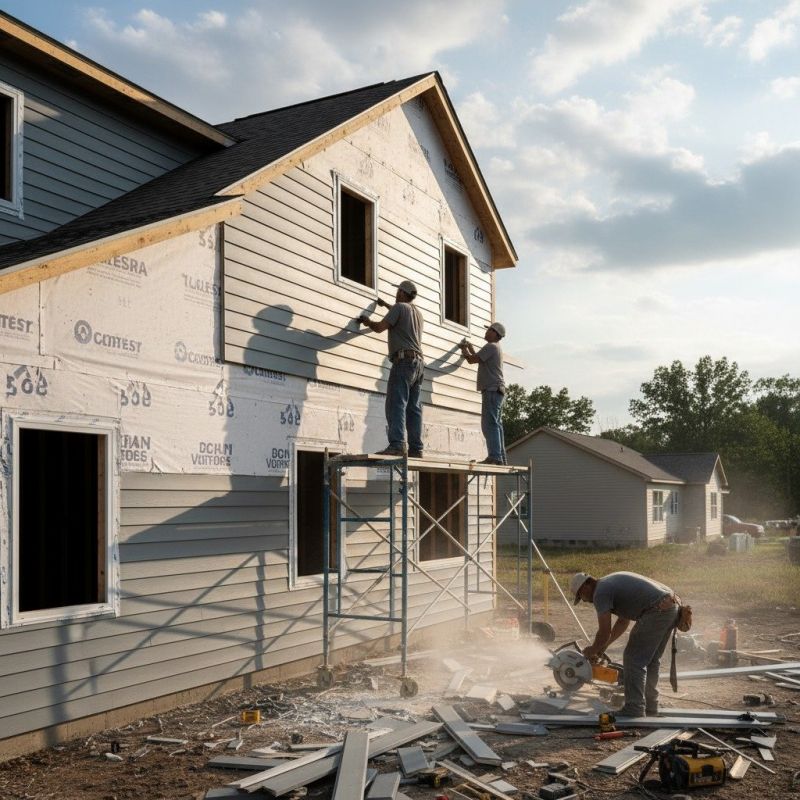
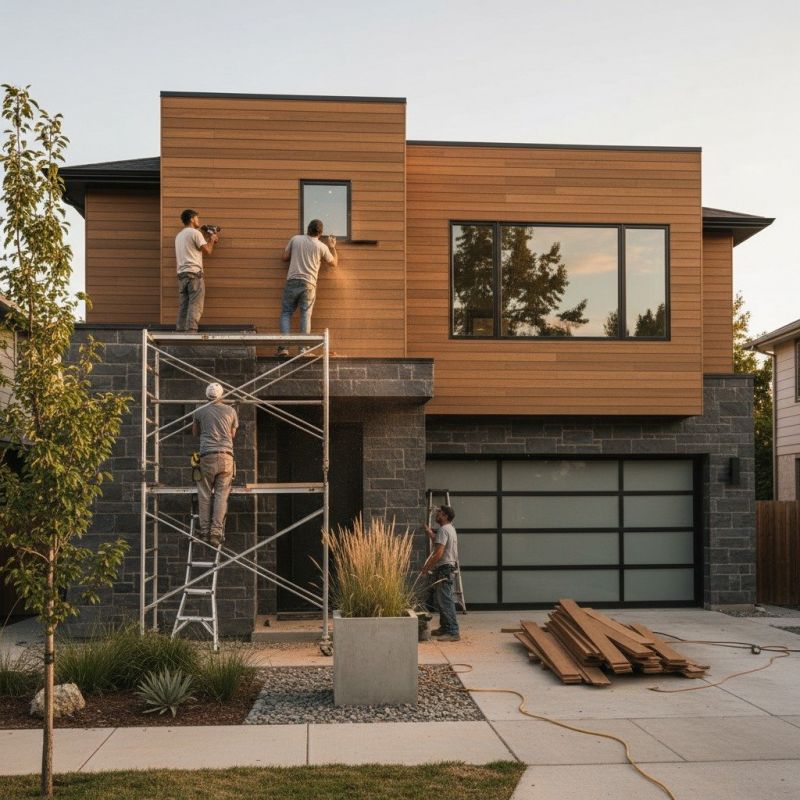
Commercial siding installation services involve attaching durable exterior cladding to the outside of commercial buildings, such as offices, retail centers, warehouses, and industrial facilities. This process typically includes removing or preparing existing siding, then applying materials like metal panels, fiber cement, vinyl, or composite siding to protect the building’s structure from weather, moisture, and environmental damage. Skilled contractors ensure the siding is properly installed for both aesthetic appeal and long-term performance, helping to create a professional, polished appearance for the property.
One of the primary reasons businesses seek siding installation is to address issues related to aging or damaged exterior surfaces. Over time, buildings can develop cracks, warping, or corrosion, which compromise insulation, lead to leaks, and reduce overall curb appeal. Installing new siding can help solve these problems by providing a fresh, weather-resistant barrier that enhances energy efficiency and prevents further deterioration. Additionally, siding can improve the building’s insulation, reducing heating and cooling costs and increasing comfort inside the property.
Commercial properties that typically use siding installation services include office complexes, retail stores, industrial warehouses, and multi-family residential buildings. These structures often require durable, low-maintenance exteriors that can withstand heavy use and exposure to the elements. Siding is also popular for properties undergoing renovation or modernization projects, as it can significantly enhance the visual appeal and value of the building. Property owners may consider siding upgrades when facing issues like peeling paint, rotting wood, or outdated appearances that no longer meet their standards.
Homeowners or property managers who notice signs of exterior damage, such as cracking, fading, or moisture infiltration, may find siding installation services beneficial. It’s also a practical solution for those looking to improve energy efficiency or update the look of their building’s exterior. Whether for a commercial building or multi-unit residence, working with experienced local contractors can ensure the installation is performed correctly, providing a long-lasting and attractive exterior that meets the specific needs of the property.
The overview below groups typical Commercial Siding Installation projects into broad ranges so you can see how smaller, mid-sized, and larger jobs often compare in your area.
In many markets, a large share of routine jobs stays in the lower and middle ranges, while only a smaller percentage of projects moves into the highest bands when the work is more complex or site conditions are harder than average.
Smaller Repairs - Minor siding repairs, such as replacing damaged panels or fixing loose boards, typically cost between $250 and $600. Many routine repair projects fall within this range, though costs can vary based on materials and extent of damage.
Partial Siding Replacement - Replacing sections of siding or upgrading specific areas generally ranges from $1,000 to $3,500. This is a common project size, with costs influenced by the size of the area and type of siding material chosen.
Full Siding Replacement - Complete siding installations for an average-sized home can range from $5,000 to $15,000 or more. Larger, more complex projects tend to push costs higher, but many homes fall into the middle of this range.
Luxury or Custom Projects - High-end, custom siding installations or extensive exterior renovations can exceed $20,000. These projects are less common and typically involve premium materials or intricate design features.
Actual totals will depend on details like access to the work area, the scope of the project, and the materials selected, so use these as general starting points rather than exact figures.
Commercial Window Replacement - professionals skilled in installing and replacing large window systems that require precise planning and handling similar to siding projects.
Exterior Wall Insulation Installation - involves working with building exteriors and materials, requiring knowledge of wall systems and surface preparation akin to siding work.
Metal Cladding Projects - includes installing metal panels on commercial buildings, sharing tools and techniques used in siding installation for durable exterior finishes.
Building Facade Renovations - involves updating and restoring building exteriors, which requires planning and skills comparable to commercial siding upgrades.
Commercial Roofing Systems - entails installing and repairing large roofing surfaces, often involving similar tools, safety protocols, and surface preparation as siding projects.
Architectural Panel Installations - focuses on attaching decorative or functional panels to building exteriors, requiring similar planning and surface handling skills as siding installation.
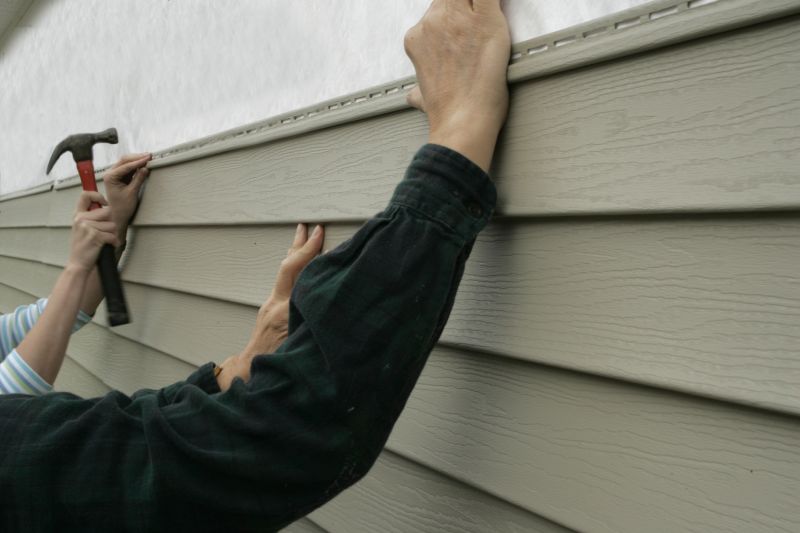
When comparing service providers for commercial siding installation, it’s important to consider their experience with similar projects. Homeowners should look for contractors who have a proven track record of handling commercial siding jobs comparable in scope and complexity. This helps ensure the contractor understands the specific requirements and challenges associated with larger or more specialized projects. Reviewing the background of local contractors can provide insight into their familiarity with the materials, techniques, and building codes relevant to commercial siding, aiding in making an informed decision.
Clear, written expectations are essential when evaluating potential service providers. Homeowners should seek detailed proposals that outline the scope of work, materials to be used, and the responsibilities of each party. Having this information in writing helps prevent misunderstandings and provides a basis for comparing different contractors fairly. It’s also advisable to ask for reputable references from previous clients, particularly those who had similar projects completed. Contacting these references can give a clearer picture of the contractor’s reliability, quality of work, and professionalism.
Effective communication is a key factor in selecting the right commercial siding installation service provider. Homeowners should prioritize contractors who are responsive, transparent, and willing to answer questions thoroughly. Good communication fosters a smoother project process and helps ensure all expectations are aligned from the outset. It’s important to remember that the site serves as a resource to introduce homeowners to local service providers, not to perform the work itself. Connecting with reputable local contractors who prioritize clear communication and have relevant experience can lead to a more successful siding project.
Property owners use Commercial Siding Installation services for practical projects around their homes and businesses. This guide focuses on everyday jobs and straightforward project options.
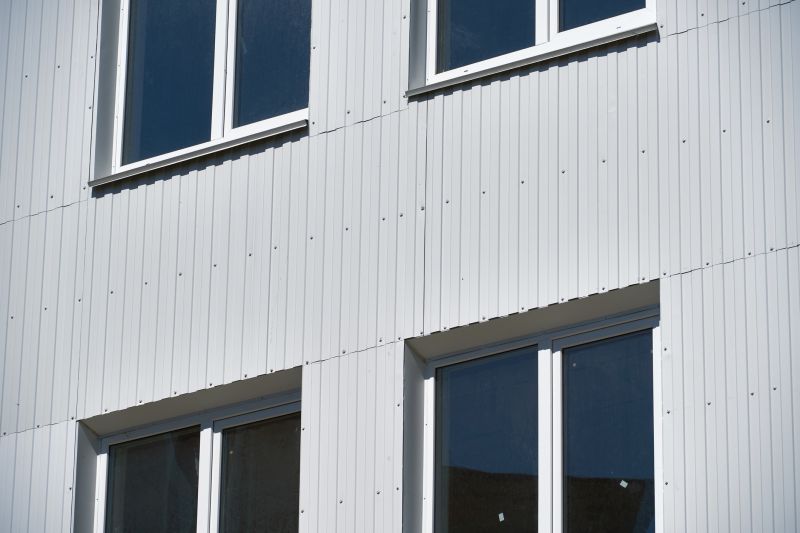
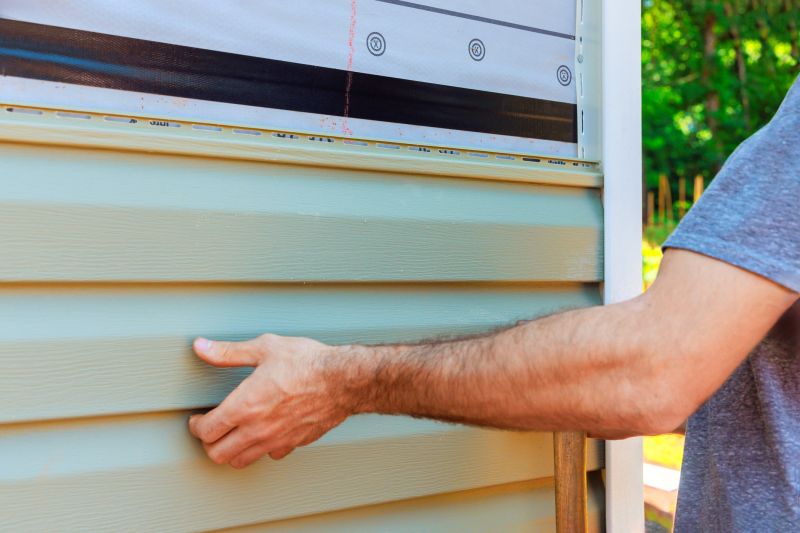
Commercial siding installation is a common project for property owners who want to improve the appearance, durability, and energy efficiency of their buildings. Local contractors are often called upon when existing siding becomes damaged, outdated, or no longer provides adequate protection against the elements. Additionally, property owners may seek new siding to enhance curb appeal or to meet updated building standards, especially during renovations or upgrades.
Many property owners turn to local service providers for siding installation when constructing new commercial buildings or making significant improvements to existing structures. In some cases, siding replacement is necessary due to weather-related damage or aging materials that no longer perform effectively. These projects are typically driven by the desire to maintain the property's value, reduce maintenance needs, or improve overall building performance.
What types of commercial siding do local contractors install? Local service providers typically install a variety of siding options including vinyl, metal, fiber cement, and composite materials to suit different building needs.
How do I know if a commercial siding material is suitable for my building? Service providers can assess your building’s structure and environment to recommend siding materials that offer durability and aesthetic appeal.
What preparations are needed before commercial siding installation begins? Contractors usually evaluate the existing exterior, remove old siding if necessary, and prepare the surface to ensure proper adhesion and installation.
Can local contractors handle siding installation on large commercial buildings? Yes, many service providers have experience managing siding projects on various commercial property sizes and complexities.
What maintenance is required after a commercial siding installation? Maintenance requirements vary by material but generally include regular cleaning and inspections to preserve the siding’s appearance and performance.
Upgrade Building Exterior - Property owners can improve the appearance and durability of their buildings by installing new siding that withstands weather conditions.
Enhance Energy Efficiency - Replacing old siding with modern materials can help reduce energy costs and improve indoor comfort.
Renovate for Curb Appeal - Homeowners looking to refresh their property's look can consider siding installation to boost curb appeal.
Protect Against Weather Damage - Commercial property owners can safeguard their structures from moisture and wind damage with quality siding services.
If you are thinking about Commercial Siding Installation for a property, this guide is meant to help you understand the work, the typical project types, and how different options might fit your plans.
When you are ready, you can use the quote form on this page to share a few details about your project. From there, local pros can review the basics and respond with options that match what you have in mind.